Water is one of the most critical resources for human development, economic growth, and environmental sustainability. Yet across Latin America, many urban water systems face growing pressure due to aging infrastructure, population growth, and increasing climate variability. Against this backdrop, initiatives that strengthen water management are more important than ever.
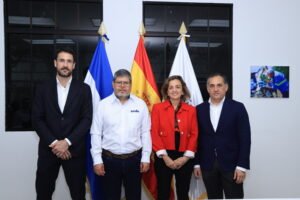
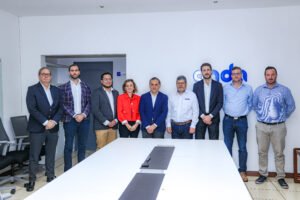
A significant milestone has recently been reached in El Salvador that reflects this commitment to progress: the official signing of the contract that launches the Non-Revenue Water (NRW) Reduction Program in the Metropolitan Area of San Salvador. This initiative represents a decisive step toward building a more efficient, resilient, and sustainable water system for thousands of families.
Why Non-Revenue Water Matters
Non-Revenue Water refers to water that is produced and enters the distribution system but is not billed to customers. This can happen due to physical losses, such as leaks and pipe bursts, or commercial losses, such as inaccurate metering or unauthorized consumption.
Reducing NRW is critical for several reasons:
- Improved efficiency: Less wasted water means more reliable supply without increasing production.
- Cost savings: Utilities can optimize resources and reduce operational expenses.
- Environmental sustainability: Conserving water helps protect natural ecosystems.
- Better service delivery: More consistent and equitable water access for communities.
In cities like San Salvador, where demand continues to rise, tackling NRW is essential for ensuring long-term water security.
A strategic initiative for El Salvador
The NRW Reduction Program in the Metropolitan Area of San Salvador is designed to modernize the city’s water infrastructure and transform how water is managed and delivered. By combining advanced technology, data-driven approaches, and operational improvements, the program aims to significantly reduce water losses across the network.
Key components of the initiative include:
- Leak detection and repair strategies
- Network monitoring and digitalization
- Improvement of metering systems
- Capacity building for local operators
Together, these measures will not only enhance the reliability of the system but also contribute to a smarter and more adaptive water network.
Aguas de Valencia International: Contributing Expertise and Innovation
At Aguas de Valencia Internacional, we are proud to be part of this transformative project. Our participation in the signing of the contract reinforces our long-standing commitment to supporting sustainable water management through international collaboration.
With extensive experience in water cycle management, we bring:
- Technical expertise in reducing water losses and optimizing distribution networks
- Innovative solutions that leverage digital transformation and analytics
- Operational excellence rooted in proven methodologies
- A collaborative approach that prioritizes knowledge transfer and local capacity building
By working alongside local stakeholders and partners, we aim to ensure that the benefits of this program are both immediate and long-lasting.
Building Resilient Water Systems for the Future
The challenges facing urban water systems are complex, but they are not insurmountable. Projects like the NRW Reduction Program in San Salvador demonstrate how strategic investments and international cooperation can drive meaningful change.
Beyond improving infrastructure, this initiative represents a broader vision:
- Resilience in the face of climate uncertainty
- Efficiency in the use of limited resources
- Sustainability for future generations
Moving Forward Together
Water connects communities, economies, and ecosystems. Ensuring its sustainable management requires collaboration, innovation, and a shared commitment to progress.
This milestone in El Salvador is more than just the launch of a new program it is a step forward in redefining how water is managed in urban environments across the region.
At Aguas de Valencia Internacional, we remain dedicated to contributing our knowledge and experience to initiatives that make a tangible difference. Together, we can build more efficient, resilient, and sustainable water systems that improve lives and safeguard our planet.